Dev Uthani Ekadashi 2026: Date, Muhurat, Puja Vidhi & Vrat
Dev Uthani Ekadashi 2026: Date, Shubh Muhurat, Significance, Vrat Katha & Puja Vidhi
Discover the auspicious date and timings of Dev Uthani Ekadashi 2026. Learn about Lord Vishnu's awakening, Ekadashi Vrat, Vishnu Puja Vidhi, Tulsi Vivah rituals and the spiritual significance of Prabodhini Ekadashi.
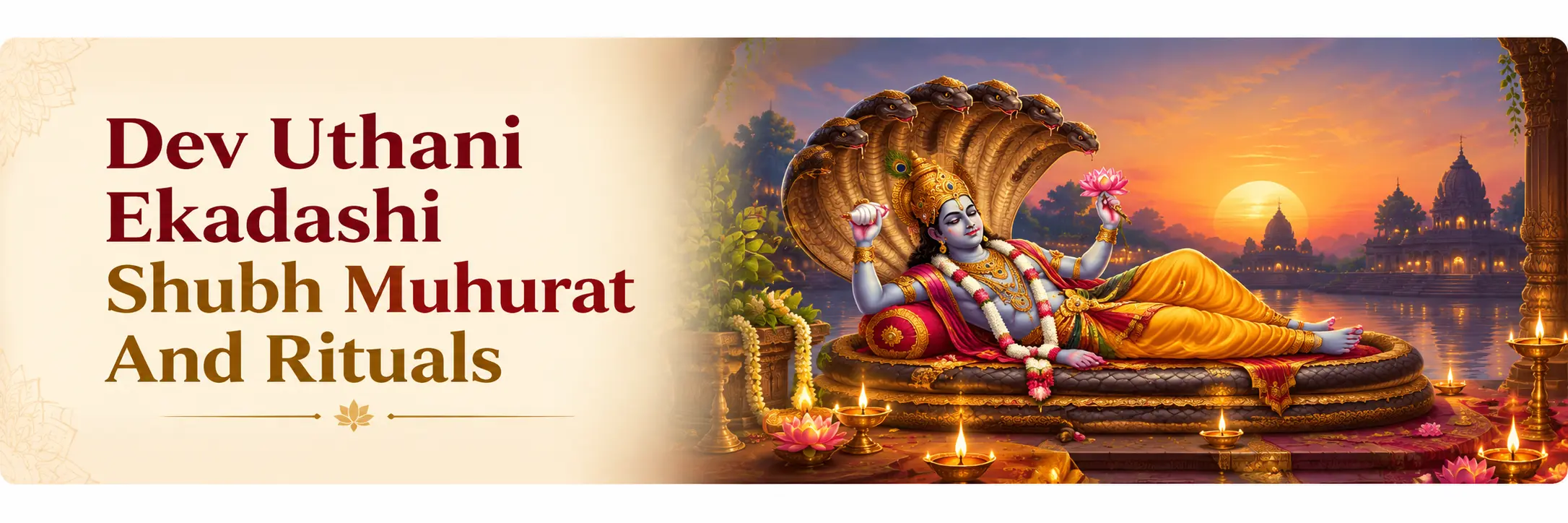
Dev Uthani Ekadashi, also known as Prabodhini Ekadashi or Devutthana Ekadashi, is one of the most sacred days dedicated to Lord Vishnu. Observed during Kartik Shukla Paksha, this auspicious occasion marks the awakening of Bhagwan Vishnu from his four-month-long cosmic sleep, known as Yoga Nidra.
According to Hindu beliefs, Lord Vishnu enters Yoga Nidra on Devshayani Ekadashi and awakens on Kartik Shukla Ekadashi. His awakening marks the end of Chaturmas and the beginning of an auspicious period for marriages and other sacred ceremonies.
Devotees celebrate this occasion by observing Ekadashi Vrat, performing Vishnu Puja, chanting sacred mantras and offering Tulsi leaves to Shri Hari. It is believed that worshipping Lord Vishnu on this day brings peace, prosperity, happiness and spiritual growth.
Dev Uthani Ekadashi 2026: Date & Shubh Muhurat
In 2026, Dev Uthani Ekadashi will be observed on Friday, 20 November 2026, according to the Smarta tradition. Some Vaishnava traditions observe the fast on Saturday, 21 November.
Important Dates & Timings
EventDate & TimeEkadashi Tithi Begins20 November, 7:15 AMEkadashi Tithi Ends21 November, 6:31 AMSmarta Ekadashi Vrat20 November 2026Smarta Parana21 November, 1:11 PM – 3:18 PMVaishnava Ekadashi Vrat21 November 2026Vaishnava Parana22 November, 6:49 AM – 8:56 AMTulsi Vivah21 November 2026
All timings are based on the New Delhi Panchang. Local timings and observance may vary according to geographical location and religious tradition. Devotees should consult their local Panchang before observing the fast.
Why Is Dev Uthani Ekadashi Celebrated?
Dev Uthani Ekadashi marks the divine awakening of Lord Vishnu after four months of Yoga Nidra.
According to Hindu mythology, Lord Vishnu rests in Kshirsagar on the cosmic serpent Sheshnag during Chaturmas. This period begins on Devshayani Ekadashi in Ashadha month and concludes with Prabodhini Ekadashi in Kartik month.
The awakening of Shri Hari symbolises the restoration of cosmic balance and the beginning of an auspicious period for religious ceremonies, marriages and other important beginnings.
Dev Uthani Ekadashi is also associated with the divine marriage of Lord Vishnu and Goddess Tulsi, celebrated as Tulsi Vivah.
Spiritual Significance of Dev Uthani Ekadashi
Dev Uthani Ekadashi is considered highly auspicious for devotees seeking the blessings of Lord Vishnu.
Observing this sacred day with devotion is traditionally believed to:
Seek Prosperity: Invite the blessings of Lord Vishnu and Goddess Lakshmi for wealth and abundance.
Promote Family Happiness: Pray for peace, harmony and well-being within the family.
Purify the Soul: Observe fasting and prayers as a means of spiritual discipline and purification.
Remove Obstacles: Seek divine guidance and strength to overcome life's challenges.
Attain Spiritual Growth: Strengthen devotion towards Shri Hari and seek the path of Moksha.
According to Hindu religious beliefs, sincere devotion and observance of Ekadashi Vrat bring immense spiritual merit.
Dev Uthani Ekadashi Puja Vidhi: How to Worship Lord Vishnu
Worshipping Lord Vishnu on Dev Uthani Ekadashi is considered especially auspicious. Devotees perform special rituals to welcome Shri Hari from his divine slumber.
Here is the traditional Vishnu Puja Vidhi:
1. Morning Bath and Sankalp
Wake up early during Brahma Muhurat, take a bath and wear clean clothes. Clean the puja area and take a Sankalp to observe Ekadashi Vrat with devotion.
2. Lord Vishnu Abhishek
Place the idol or picture of Lord Vishnu in the puja area. Perform Abhishek with Gangajal or clean water using a Shankh. Offer fresh flowers, sandalwood paste, fruits and Panchamrit.
3. Offer Tulsi Leaves
Offer fresh Tulsi leaves to Lord Vishnu along with flowers and other traditional offerings. Tulsi is considered extremely dear to Shri Hari and holds special importance in Vishnu worship.
4. Chant Vishnu Mantras
Chant sacred Vishnu mantras and recite Vishnu Sahasranama or Vishnu Stotra.
The following mantra is particularly popular:
ॐ नमो भगवते वासुदेवाय॥
Om Namo Bhagavate Vasudevaya.
5. Perform Evening Puja
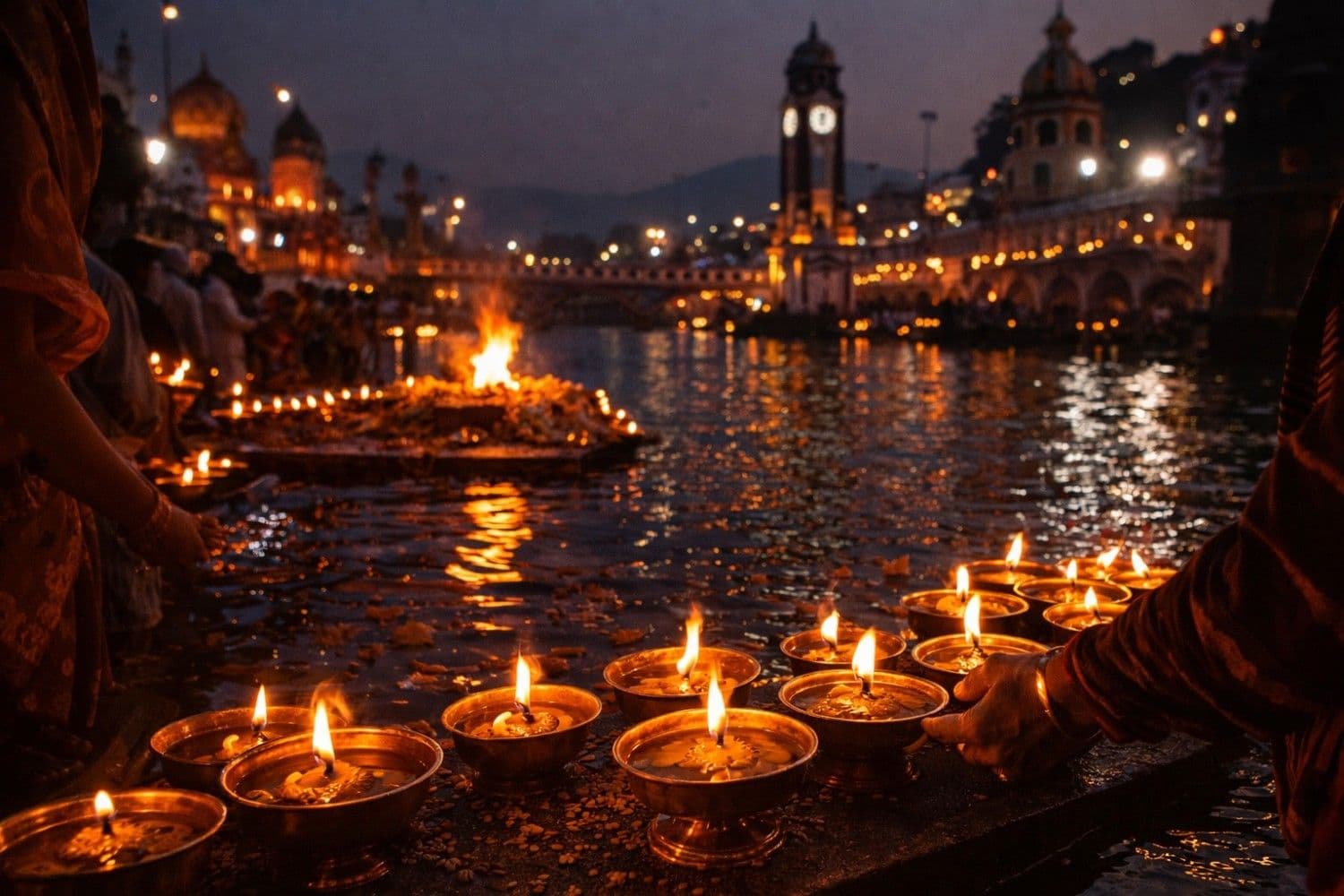
In the evening, light a diya, offer flowers and incense, ring bells and blow the conch. Sing Vishnu Bhajans and perform Aarti to celebrate the awakening of Lord Vishnu.
6. Observe Ekadashi Vrat
Devotees observe Nirjala, Phalahari or other forms of fasting according to their capacity and family traditions. Grains and cereals are generally avoided during Ekadashi.
7. Daan and Seva
After completing the fast, devotees traditionally offer food, clothes and Dakshina to Brahmins and people in need. Charity and acts of kindness are considered auspicious on this day.
Dev Uthani Ekadashi Vrat Rules
Devotees observe Ekadashi Vrat to express their devotion to Lord Vishnu and seek his blessings.
Some commonly followed fasting practices include:
Avoid consuming rice, wheat, grains and regular cereals.
Consume fruits, milk and permitted fasting foods according to your tradition.
Avoid alcohol, non-vegetarian food and tamasic food.
Spend time chanting Vishnu mantras and reading sacred scriptures.
Maintain purity in thoughts, words and actions.
Break the fast during the prescribed Dwadashi Parana Muhurat.
Devotees who are unable to observe a strict fast can worship Lord Vishnu with sincere devotion.
Tulsi Vivah on Dev Uthani Ekadashi
One of the most beautiful traditions associated with Dev Uthani Ekadashi is Tulsi Vivah, the ceremonial marriage of Goddess Tulsi with Lord Vishnu in his Shaligram form.
According to Hindu mythology, Goddess Tulsi is associated with Vrinda, a devoted follower of Lord Vishnu. Her story is closely connected with the origin and spiritual significance of the Shaligram form of Shri Hari.
During Tulsi Vivah, the Tulsi plant is decorated like a bride with colourful clothes, flowers, ornaments and traditional decorations. Lord Shaligram is worshipped as the groom, and the marriage ceremony is performed with Vedic mantras and traditional wedding rituals.
The ceremony symbolises devotion, purity, prosperity and the divine union of Goddess Tulsi and Lord Vishnu.
Many Hindu families perform Tulsi Vivah on Dev Uthani Ekadashi or Dwadashi, depending on their regional traditions.
Importance of Tulsi in Lord Vishnu Worship
Tulsi holds a special place in Hinduism and is considered one of the most sacred plants in Sanatana Dharma.
According to religious beliefs, Goddess Tulsi is especially dear to Lord Vishnu. Offering Tulsi leaves during Vishnu Puja is considered an important ritual for seeking divine blessings.
During Kartik month, Tulsi worship holds even greater significance. Devotees light diyas near the Tulsi plant, offer water and perform daily prayers.
Offering Tulsi leaves to Shri Hari on Dev Uthani Ekadashi is believed to bring spiritual merit, peace and prosperity to the family.
Why Perform Vishnu Puja on Dev Uthani Ekadashi?
Dev Uthani Ekadashi offers devotees an auspicious opportunity to seek the blessings of Lord Vishnu and strengthen their spiritual connection with Shri Hari.
Performing Vishnu Puja on this sacred occasion is traditionally associated with:
Wealth and Prosperity: Seek the divine blessings of Shri Hari and Goddess Lakshmi for financial stability and abundance.
Peace and Family Harmony: Pray for happiness, harmony and protection for your loved ones.
Spiritual Purification: Strengthen your devotion and seek forgiveness for past mistakes.
Removal of Obstacles: Pray for divine guidance, positivity and strength during difficult times.
Spiritual Growth and Moksha: Devote yourself to prayers, fasting and sacred rituals to progress on the path of spiritual liberation.
Celebrate Dev Uthani Ekadashi with PoojaKaro
This Dev Uthani Ekadashi, welcome the divine awakening of Shri Hari with devotion and traditional Vedic rituals.
At PoojaKaro, we make it easier for devotees to participate in meaningful spiritual experiences through online puja bookings and temple-based devotional services.
Whether you wish to perform a special Vishnu Puja, offer Chadhava or participate in sacred temple rituals, PoojaKaro helps bring you closer to your faith.
Let this auspicious Ekadashi be an opportunity to seek the blessings of Lord Vishnu for peace, prosperity and happiness.
🙏 Book Your Dev Uthani Ekadashi Puja with PoojaKaro.
PoojaKaro – Your Faith, Our Seva.
Frequently Asked Questions About Dev Uthani Ekadashi
1. When is Dev Uthani Ekadashi in 2026?
Dev Uthani Ekadashi will be observed on 20 November 2026 according to the Smarta tradition. Some Vaishnava traditions observe it on 21 November 2026.
2. Why is Dev Uthani Ekadashi important?
It marks the awakening of Lord Vishnu from his four-month-long Yoga Nidra, signifying the end of Chaturmas and the beginning of an auspicious period for religious ceremonies.
3. Which God is worshipped on Dev Uthani Ekadashi?
Lord Vishnu, also known as Shri Hari, is the principal deity worshipped on this day. Goddess Lakshmi and Goddess Tulsi are also revered.
4. What should we offer to Lord Vishnu on Dev Uthani Ekadashi?
Devotees traditionally offer Tulsi leaves, fresh flowers, fruits, Panchamrit, sandalwood paste, incense and a lit diya.
5. Can we perform Tulsi Vivah on Dev Uthani Ekadashi?
Yes. Tulsi Vivah is traditionally performed on Dev Uthani Ekadashi or Dwadashi, depending on regional customs and Panchang.
6. What is the mantra of Lord Vishnu for Dev Uthani Ekadashi?
Devotees can chant:
ॐ नमो भगवते वासुदेवाय॥
Chanting this sacred mantra with devotion is believed to invoke the blessings of Lord Vishnu.
7. When should we break the Dev Uthani Ekadashi fast?
The fast is traditionally broken on Dwadashi during the prescribed Parana Muhurat, after observing the applicable fasting rules and Hari Vasara restrictions.
8. What is the difference between Dev Uthani Ekadashi and Prabodhini Ekadashi?
There is no difference. Dev Uthani Ekadashi, Devutthana Ekadashi and Prabodhini Ekadashi are different names for the same sacred observance.