Kalimath Temple, Uttarakhand- The Shaktipeetha Where No Idol Is Worshipped
Kalimath Temple, Uttarakhand- The Mysterious Shaktipeetha Where No Idol Is Worshipped
What Is Kalaimath Temple & Why Is It So Important
A divine temple dedicated to Goddess Kali is nestled in the Himalayas, on the sacred banks of the Saraswati River. This holy site is located at Rudraprayag. It is also known as a Shaktipeeth, meaning the place where a part of Goddess Sati fell. This temple does not house an idol of any goddess; instead, it features a divine and powerful yantra of Mother Kali, which is a central point of deep devotion among believers.
King Daksha once arranged a great sacrifice. Lord Shiva was not invited to this sacrifice, but all the gods and sages were. Mother Sati, Daksha's daughter and Lord Shiva's bride, was unable to take this disrespect. She attended her father's sacrifice without an invitation. However, when she arrived, all she encountered was disgust and shame. Regarding Lord Shiva, her father used derogatory and harsh language. This insult to her beloved spouse was too much for Sati to bear. She gave her life in the flames of that very sacrifice, a fire of grief, rage, and self-respect. When Lord Shiva learned of this, his anguish and rage were sufficient to shake the whole universe.
The gods became frightened because this form of Shiva was moving toward destruction. Then the gods prayed to Lord Vishnu to somehow soothe Shiva's immense sorrow and save the universe. Lord Vishnu used his Sudarshan Chakra. With great compassion and wisdom, he divided Sati's body into several parts. As Sati's body parts fell at different places on Earth, divine power appeared there. Over time, those locations started to be worshiped as Shakti Peeths. It is believed that in Kalimath, Uttarakhand, Sati's 'peeth' (body part) had fallen. This is why Kalimath is considered one of the most sacred and important Shakti Peeths. It is said that wherever Sati's body parts fell, the mother goddess established her permanent presence. Today, the Shakti Peeths across India and surrounding regions are not just temples they are living memories of the love, sacrifice, and divine power found in the story of Sati and Shiva.
History And Mythology Of Kalimath Temple
Mentioned In The Ancient Scripture
If we talk about the history of this divine place, then it is described in the 62nd chapter of the Skanda Purana. According to locals, the origin of the temple can also be found in the Shiv Purana, Devibhagwat Purana, and its architecture resonates with Tridevi, as described in Durgasapshati.
The Legend Of Demon Raktbeej.
The Puranas mention the demon Raktabeej, who received a miraculous boon from Lord Brahma.
That blessing stated that if even a drop of his blood fell to the ground, it would create additional demons like him, each far more powerful than the last. Every time a god or goddess injured him during battle, droplets of his blood would fall, instantly giving rise to countless Raktabeejs. The fight grew much scarier because of this. Goddess Shakti then transformed into the incredible Mother Kali. On the battlefield, Mother Kali appeared and devised a way to counter Raktabeej's blessing. She is said to have consumed all of Raktabeej's blood before it hit the ground during the fight..Thus, his power was neutralized, and Mother Kali ultimately killed Raktabeej.
It is believed that after this, Mother Kali's divine power resided in a sacred yantra at Kalimath.
It is also believed that the Mother's power is divided into four forms and manifested at various places, including Kalighat in Kolkata and some Shaktipeeths in Gujarat.
Flowing in the lap of the Himalayas, the river further enhances the divinity of this Temple. It is believed that the sacred waters of this river are used to adorn and worship Mother Kali and other deities.
The serene mountain valleys spread all around, the flowing River, and the divine aura of the temple all these combine to make Kalimath a very sacred and peaceful spiritual place.
It is said that whoever visits Maa Kali in Kalimath with devotion and a true heart receives special blessings of the Mother.
The head of the Asura raktbeej remains enshrined there today in the form of a stone. This site is also known as Basru Kedar. There are several other monumental sites nearby.
An interesting story related to Kalidasa.
The renowned Classical Sanskrit poet and dramatist Kalidasa (4th–5th century CE) is frequently referred to as the "Shakespeare of India." It's stated that when Kalidasa was younger, he was not a very intelligent man. He once started chopping off the same branch of a tree he was sitting on because he was so naive. People made fun of him and thought he was stupid after seeing this.
It is believed that after wandering for a long time, he reached Kalimath, located in the lap of the Himalayas. Here, in the temple of Mother Kali, he performed penance and prayed with a sincere heart. Pleased with his true devotion, Mother Kali blessed him with knowledge and speech. It is said that through this grace, this ordinary young man later became Mahakavi Kalidasa, one of the greatest poets of Sanskrit literature.
It is believed that Kalimath is the site where Mother Kali bestowed the divine boon of knowledge on Kalidasa.
Unique Feature That Sets Kalimath Apart.
A Temple Of Three Goddesses.
Goddess Kali and her sisters, Goddess Lakshmi and Goddess Saraswati, live at this holy location. These three goddesses' temples were constructed in accordance with Durga Saptashati's mysteries.
The central temple of Goddess Lakshmi is located in this magnificent temple. Goddess Kali resides to the south, and Goddess Saraswati to the right.
An ancient stone slab, inscribed in Brahmi script, is also installed in the temple's courtyard. According to local belief, this inscription was also mentioned in one of his books by the renowned scholar Rahul Sankrityayan.
The Eternal Flame Of Laxmi Temple.
Near the Kali Mata temple is the magnificent Lakshmi Mata temple, renowned for its antiquity. It has an eternal glow that has burned for centuries. This also adds to the temple's significance.
Architecture And Design
Locals say that the temple's architecture is modeled after the goddesses depicted in the Durga Saptashati. The temple of Goddess Lakshmi is located in the center, and her two sisters, Goddess Kali and Goddess Saraswati, are seated on either side.
The temple courtyard also houses an ancient stone inscription inscribed in Brahmi script.
When devotees arrive at the temple, the serenity of the Kedarnath valleys, the sound of the near by River, and the ringing of the temple bells create a profound spiritual atmosphere.
Festivals And Ritual, And The Kalimath Temple.
Now let's talk about the festivals celebrated here.
Navratri
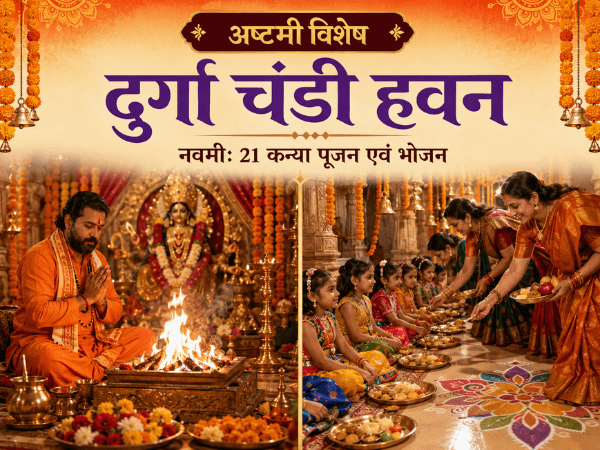
During Navratri, a special festival is held at this temple. Sharadiya Navratri is especially celebrated with great pomp and show. It is believed that the Kunda is opened only once a year on the day of Ashtami, where a special puja is performed on the divine Yantra located inside. Nisha Pujan is also held here at night, which is the main reason. Yantra is worshipped with rituals. During these days of Navratri, the entire temple comes alive with the devotion of the devotees, the sound of mantras, and an atmosphere of devotion.
Durgapath
Many devotees visit Kalimath Temple to organize the sacred Durga Saptashati Path and special pooja dedicated to the Divine Mother. According to devotees, the recitation of the Durga Saptashati creates a powerful spiritual vibration and invokes the blessings of Goddess Kali. Pilgrims often perform this ritual to seek protection, remove obstacles from life, and invite strength, prosperity, and positive energy through the grace of the Goddess.
Bhagwati Bhog at Kalimath Temple
At Kalimath Temple, offering Bhagwat Bhog to the Goddess is considered a sacred act of devotion. Devotees offer specially prepared food to Goddess Kali as a symbol of gratitude, faith, and surrender. This offering is first presented to the Divine Mother during the temple rituals and is then distributed among devotees as prasad.
Many pilgrims believe that offering Bhagwat Bhog with sincere devotion brings divine blessings, spiritual peace, and prosperity in life. For devotees visiting the temple, this ritual becomes a beautiful way to express love and gratitude toward the Goddess while feeling spiritually connected to the sacred energy of Kalimath.
Pind Poojan for the Moksha of Ancestors
At Kalimath Temple, devotees also perform the sacred ritual of Pind Poojan for their ancestors. This special pooja is offered with prayers for the peace and moksha (liberation) of departed souls.
According to devotees, performing Pind Poojan with sincere devotion helps bring Pitra Shanti and honors the ancestral lineage. In the spiritually charged atmosphere of the temple, pilgrims pray for the liberation of their ancestors and seek blessings for harmony, protection, and well-being in their families.
How To Visit Kalimath Temple
Visiting Kalimath Temple is a peaceful spiritual journey into the Himalayas. Surrounded by mountains and the calm flow of the River, the temple attracts devotees seeking the blessings of Goddess Kali.
By Air
The nearest airport is Jolly Grant Airport, located around 200 km from Kalimath. From the airport, taxis and buses are available to reach the temple.
By Train
The closest railway station is Rishikesh Railway Station. From Rishikesh, travelers can take buses or taxis to Rudraprayag and then continue the journey to Kalimath.
By Road
Kalimath is well connected by road with major pilgrimage towns in Uttarakhand. Devotees usually travel via Guptkashi and then reach the temple by local taxi or shared vehicles.
The scenic drive through the Himalayan valleys makes the journey memorable.
Best Time to Visit
The best time to visit the temple is during Navratri, when special rituals and celebrations take place. However, devotees visit throughout the year to experience the peaceful spiritual atmosphere of Kalimath.
For many pilgrims, the journey to Kalimath is not just a trip it is a deeply spiritual experience filled with devotion, nature, and divine energy.
Nearby Places To Visit: Kalimath temple.
Key Nearby Temples & Places to Visit Near Kalimath
Kalimath's location in the heart of the Kedarnath Valley makes it a perfect base to explore some of Uttarakhand's most sacred temples and breathtaking natural landscapes. Here are the must-visit places near Kalimath:
Ukhimath Temple - 20 km from Kalimath
Ukhimath serves as the winter seat of Kedarnath. When heavy snowfall closes Kedarnath Temple every winter, the sacred idol of Lord Kedarnath is ceremoniously brought here and worshipped at the famous Omkareshwar Temple. This ancient town also shelters the idols of Madhyamaheshwar and Usha, making it a spiritually rich stop for pilgrims.
Madmaheshwar Temple Trek from Ransi Village
One of the five sacred shrines of Panch Kedar, Madmaheshwar Temple is dedicated to Lord Shiva, who is worshipped here in the form of his navel (nabhi). The temple is accessible by a scenic moderate trek starting from Ransi Village, passing through dense forests, alpine meadows, and Himalayan panoramas. A deeply rewarding experience for both pilgrims and trekkers.
Tungnath Temple, ~25 km via Chopta
Tungnath is the highest Shiva temple in the world, sitting at an altitude of 3,680 meters. It is another jewel of the Panch Kedar circuit and is reached via a short but stunning 3.5 km trek from Chopta , famously called the "Mini Switzerland of Uttarakhand." The views of Nanda Devi, Trishul, and Chaukhamba peaks from the top are absolutely unforgettable.
Triyuginarayan Temple , Ancient Witness to a Divine Wedding
The Triyuginarayan Temple is an ancient Vishnu shrine most famous for being the place where Lord Shiva and Goddess Parvati were married, with Lord Vishnu himself presiding over the ceremony. The eternal sacred fire (Akhand Dhuni) burning here is believed to have been lit since that very day across three cosmic ages (Yugas) and pilgrims offer wood into it as a blessing.
Scenic Spots & Natural Attractions Near Kalimath
Chopta ~20 km | The "Mini Switzerland" of Uttarakhand
Chopta is a pristine highland meadow blanketed by dense forests of rhododendron, oak, and deodar. Often called Uttarakhand's Mini Switzerland, this serene spot serves as the base camp for the Tungnath–Chandrashila trek , one of the most popular winter treks in North India. The landscape here is nothing short of magical in every season.
Deoria Tal , ~25 km | The Mirror Lake of the Himalayas
Deoria Tal is a stunning high-altitude lake nestled in the forests above Sari Village. On a clear day, the calm waters of the lake perfectly mirror the snow-covered peaks of the Kedarnath range and Chaukhamba massif , creating one of the most photographed reflections in the entire Himalayas. The easy 2 km trek to the lake is suitable for all age groups.
Guptkashi 3 to 14 km | Gateway to Kedarnath
Guptkashi is one of the most important religious towns in the Kedarnath Valley, home to two major temples the Manikeshwar Temple (dedicated to Goddess Parvati) and the Vishwanath Temple (a revered Shiva shrine). It also serves as a key base camp for pilgrims heading to Kedarnath. The town offers beautiful valley views and a peaceful, devotional atmosphere.
Other Sacred Sites Close to Kalimath
Jakhdevta Temple, 8 km from Guptkashi
Jakhdevta Temple is a local deity shrine perched at a vantage point that offers sweeping views of glaciers and surrounding peaks. It is a peaceful, lesser-known gem that gives visitors a glimpse into the local folk traditions and Garhwali religious culture.
Maa Silonja Temple, 2 km from Guptkashi
Tucked quietly near Guptkashi, the Maa Silonja Temple is a calm and serene spot ideal for meditation and quiet contemplation. Away from the busy pilgrim trail, this temple offers a tranquil escape for those seeking spiritual solitude amid the Himalayan beauty.
FAQs about Kalimath Temple
1. Where is Kalimath Temple located?
Kalimath Temple is located in the Rudraprayag district of Uttarakhand, India. The temple lies close to the towns of Guptkashi and Ukhimath, surrounded by the beautiful Himalayan valleys.
2. Why is Kalimath Temple considered sacred?
Kalimath Temple is believed to be one of the powerful Siddha Peeths of Goddess Kali. According to legends, this is the place where the Goddess defeated the demon Raktbeej and later disappeared into the earth, which is why she is worshipped here in the form of a sacred yantra instead of an idol.
3. What is unique about the worship at Kalimath Temple?
Unlike many temples, there is no idol of Goddess Kali inside the sanctum. The Goddess is worshipped through a covered sacred kund and yantra, symbolizing her divine presence. The kund is opened only once a year during Navratri for special rituals.
4. When is the best time to visit Kalimath Temple?
The best time to visit the temple is from March to June and September to November, when the weather is pleasant, and the Himalayan views are clear. Many devotees also visit during Navratri, when special rituals and celebrations take place.
Culture and Heritage +1
5. How far is Kalimath Temple from Guptkashi?
Kalimath Temple is located about 13–20 km from Guptkashi, and the journey can be completed by taxi or shared jeep through scenic mountain roads.
6. What are the temple timings?
The temple usually opens early in the morning and remains open until evening. Many sources mention darshan timings approximately between 6:00 AM and 6:30 PM, with special aarti and rituals performed during festivals and Navratri.